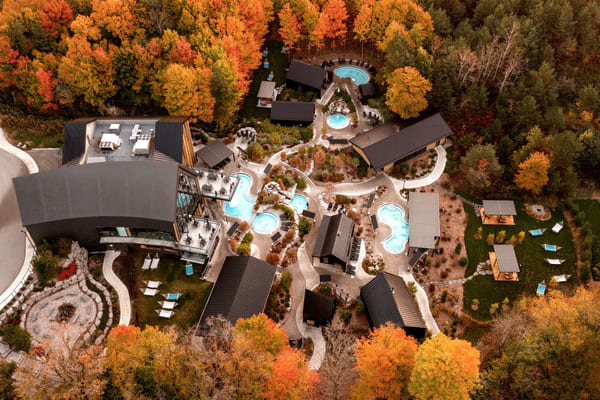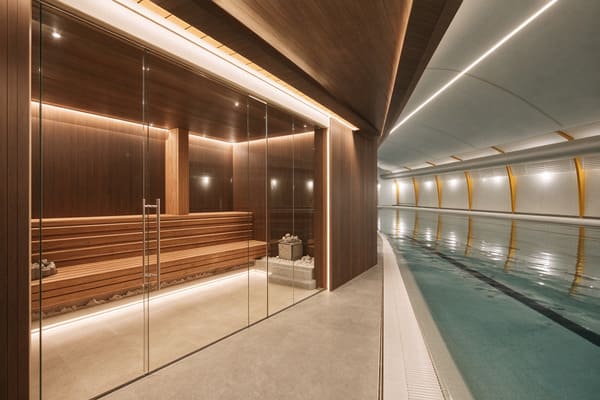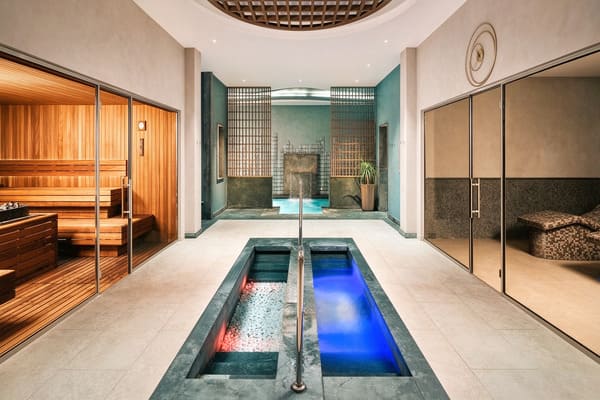
An outdoor sauna can be a major attraction for a hotel, resort, spa, or glamping destination during winter. Snow-covered surroundings, warm interiors, and the contrast between hot and cold experiences can make outdoor wellness facilities particularly appealing during the colder months.
However, operating an outdoor sauna in winter also creates additional maintenance responsibilities.
Low temperatures, freezing water, snow accumulation, moisture, and repeated temperature changes can affect the sauna structure and its equipment.
For commercial operators, preparing a sauna for winter should involve more than checking whether the heater works.
This guide covers the essential inspections and maintenance considerations for keeping commercial outdoor saunas safe, functional, and ready for year-round operation.
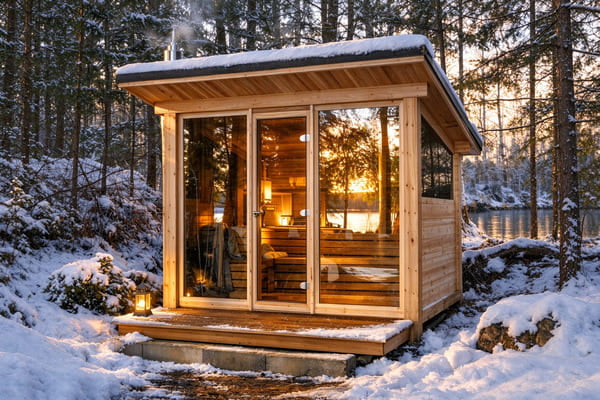
An outdoor commercial sauna in a winter resort environment.
1. Prepare the Sauna Heater for Winter Operation
The heater is one of the first components that commercial operators should inspect before winter.
Cold ambient temperatures can affect certain sauna heater designs, particularly models with mechanical timer and thermostat mechanisms.
According to Harvia's technical guidance on sauna heaters in cold conditions, some heaters equipped with mechanical timer switches and thermostats may experience overheat protector activation when the ambient temperature falls below -5°C.
This guidance applies to specific heater designs, not every electric sauna heater.
For commercial outdoor sauna projects, buyers and operators should therefore confirm the following before winter:
Check Heater Compatibility
- Confirm the heater manufacturer's permitted ambient operating conditions.
- Check whether the heater is suitable for installation in an unheated outdoor sauna.
- Review the thermostat and overheat protection requirements.
- Confirm whether the control system requires a minimum ambient temperature.
- Check whether additional protection or a different heater configuration is necessary.
Inspect Heating Elements
For electric sauna heaters, inspect the heating elements for visible damage, corrosion, or signs of deterioration.
Any electrical testing, repairs, or component replacement should be performed by qualified personnel.
Inspect Sauna Stones
Sauna stones gradually deteriorate under repeated heating and cooling cycles.
Broken or compacted stones can restrict airflow inside the heater and affect heating performance.
Before the winter season:
- Remove loose stone fragments.
- Inspect stones for cracks and deterioration.
- Replace damaged stones with compatible sauna stones.
- Reload the stones according to the manufacturer's instructions.
Harvia recommends checking and rearranging professional heater stones at least annually, with more frequent attention for heavily used installations.
See Harvia's professional sauna heater stone maintenance guidance.
Commercial takeaway: Do not assume that a heater suitable for an indoor sauna will automatically perform well in an unheated outdoor installation during freezing weather.
2. Protect Outdoor Sauna Timber from Winter Weather
Outdoor sauna structures face a different environment from indoor sauna rooms.
Rain, snow, UV exposure, freezing temperatures, and repeated moisture changes can gradually affect exterior timber.
The most important consideration is controlling moisture exposure and preventing water from remaining trapped in vulnerable areas.
The USDA Forest Products Laboratory's Wood Handbook explains how exterior wood finishes protect timber against water, sunlight, and weathering.
For commercial outdoor saunas, operators should inspect the following areas.
Exterior Wall Cladding
Check for:
- Cracks or damaged timber boards.
- Peeling or deteriorating exterior finishes.
- Open joints around doors and windows.
- Water penetration around structural connections.
- Signs of prolonged moisture exposure.
Pay particular attention to the lower sections of the exterior walls, where rainwater, snow, and splashing water may accumulate.
Timber Protection
The correct exterior treatment depends on the wood species, existing finish, exposure conditions, and manufacturer's recommendations.
Do not assume that one type of wood oil or coating is suitable for every sauna structure.
Before applying a treatment, confirm:
- Whether the product is intended for exterior timber.
- Whether it is compatible with the existing finish.
- Whether the surface requires cleaning or drying first.
- Whether the treatment is appropriate for the intended temperature and moisture conditions.
Never apply exterior wood preservatives or coatings to interior sauna surfaces or hot-contact areas unless the product is specifically approved for that application.
Decking and Outdoor Steps
Outdoor decking can become slippery when covered with ice or snow.
Inspect:
- Loose or damaged boards.
- Stair treads and handrails.
- Drainage around the entrance.
- Areas where water may freeze.
- Lighting along outdoor access routes.
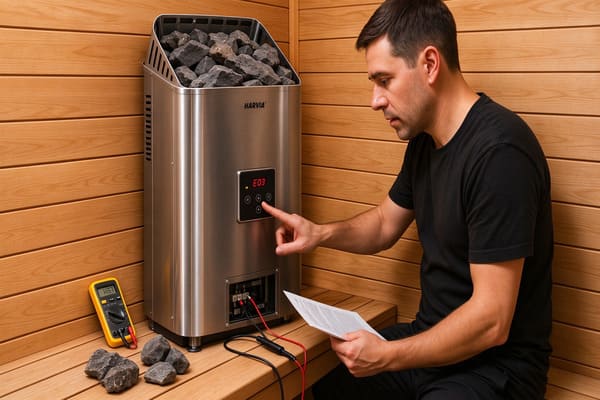
Exterior timber, decking, and structural connections should be inspected before the winter season.
3. Water Supply and Drainage: Prevent Frozen Pipes
Water systems can become a significant maintenance concern in outdoor wellness facilities.
If water freezes inside pipes, it expands and may cause pipes, fittings, valves, and connections to crack.
This is particularly important for commercial properties that combine outdoor saunas with:
- Showers.
- Cold plunge pools.
- Outdoor bathing facilities.
- Water supply connections.
- External washing areas.
The US National Weather Service's guidance on frozen pipes explains why water pipes exposed to cold conditions are vulnerable to freezing and bursting.
Inspect Exposed Pipes
Before temperatures drop below freezing:
- Identify water pipes located outside heated areas.
- Inspect exposed valves and pipe connections.
- Check insulation around vulnerable sections.
- Look for damaged pipe insulation.
- Confirm that external water lines can be drained where necessary.
Protect Water Supply Lines
Depending on the local climate and installation design, suitable protection may include:
- Weather-appropriate pipe insulation.
- Insulated enclosures.
- Approved heat-tracing systems.
- Automatic or manual drainage arrangements.
Heat-tracing systems must be selected, installed, and protected according to the manufacturer's instructions and applicable electrical requirements.
Check Drainage Systems
Drainage is just as important as water supply.
Standing water can freeze and create additional maintenance and safety problems.
Inspect:
- Floor drains.
- Shower drainage.
- External drainage channels.
- Pipe connections.
- Cold plunge drainage systems.
For facilities that close seasonally, establish a documented winterization procedure rather than simply switching off the water supply.
4. Check Insulation, Door Seals and Heat Loss
Maintaining a stable indoor temperature becomes more challenging when outdoor temperatures drop.
A sauna with poor insulation or damaged door seals may require longer heating periods and experience greater heat loss.
For commercial operators, this can affect both operating costs and guest comfort.
Inspect Wall and Ceiling Insulation
Check whether the insulation remains dry and properly installed.
Look for:
- Signs of water penetration.
- Damaged vapor barriers.
- Gaps around service penetrations.
- Condensation inside wall or ceiling structures.
- Deterioration around ventilation openings.
Moisture trapped inside a sauna wall assembly can create problems that may not be immediately visible from the interior.
Check Doors and Windows
Inspect:
- Door seals.
- Glass-to-frame connections.
- Window frames.
- Door alignment.
- Closing mechanisms.
A door that does not close properly can allow warm air to escape and cold air to enter.
Review Heating Performance
If the sauna takes significantly longer to reach its target temperature than it did previously, investigate the cause.
Potential issues include:
- Damaged insulation.
- Air leakage.
- Incorrect ventilation configuration.
- Heater performance problems.
- Incorrect temperature sensor placement.
Do not simply increase heater capacity to compensate for a building envelope problem.
For more information, read our Sauna Insulation and Vapor Barrier Guide.
5. Inspect the Roof and Exterior Structure
Snow and ice introduce structural considerations that are not present in many warmer climates.
Commercial outdoor saunas should be inspected for weather-related damage before and during the winter season.
Roof Inspection
Check:
- Roof coverings and flashing.
- Gutter and drainage conditions.
- Water penetration.
- Damaged roof connections.
- Signs of previous snow or ice damage.
Snow Load Considerations
Snow accumulation adds weight to the roof structure.
The permitted snow load depends on the building design, local climate, roof geometry, and applicable building regulations.
Commercial operators should confirm that the roof structure has been designed for the snow loads required by the relevant local building code.
Do not rely on visual inspection alone to determine whether a roof can safely support accumulated snow.
If snow removal is required, use an approved procedure and qualified personnel. Untrained staff should not climb onto snow-covered roofs.
Exterior Structural Connections
Inspect:
- Timber support connections.
- Metal brackets and fasteners.
- Foundation or base supports.
- Deck-to-building connections.
- Signs of movement or settlement.
In coastal or snowy environments, metal components may also require additional attention because moisture and temperature changes can accelerate deterioration.
For larger commercial installations, schedule a qualified structural inspection when damage or movement is suspected.
6. Electrical Safety in Cold and Wet Conditions
Outdoor sauna installations combine electricity, heat, moisture, and sometimes snow or ice.
This makes electrical safety particularly important during winter.
Before the season begins, arrange an inspection of the electrical installation by a qualified electrician.
Areas to review include:
- Outdoor electrical enclosures.
- Cable entries and connections.
- Control panels.
- Temperature sensors.
- Lighting circuits.
- Safety devices.
- Protective earthing and RCD arrangements.
Electrical Safety First's outdoor electrical safety guidance highlights the additional risks associated with electricity in wet outdoor environments.
For commercial sauna projects, the electrical installation must comply with the applicable local electrical regulations and the equipment manufacturer's instructions.
Do not use temporary household extension leads as a substitute for a properly designed permanent sauna electrical installation.
Control Panel and Sensor Inspection
Cold and moisture can affect external electrical components and connections.
Check that:
- The control panel is suitable for its installation environment.
- Electrical enclosures remain properly sealed.
- Sensors are correctly positioned.
- Cable entries are protected.
- Safety devices operate as intended.
Any damaged electrical component should be inspected before the sauna is returned to service.
7. Seasonal Shutdown and Restart Checklist
Not every commercial outdoor sauna operates throughout the entire winter.
Some resorts and wellness facilities may reduce operating hours or temporarily close certain outdoor areas.
A documented shutdown and restart procedure helps prevent equipment damage and reduces the chance of missing important maintenance tasks.
Before Seasonal Shutdown
- Clean the sauna interior.
- Remove debris from the heater and surrounding areas.
- Follow the manufacturer's instructions for heater shutdown.
- Drain water systems where required by the installation design.
- Protect exposed pipes and valves.
- Inspect exterior timber and roof conditions.
- Secure doors and windows.
- Document any equipment problems.
- Arrange servicing for components requiring attention.
Before Reopening
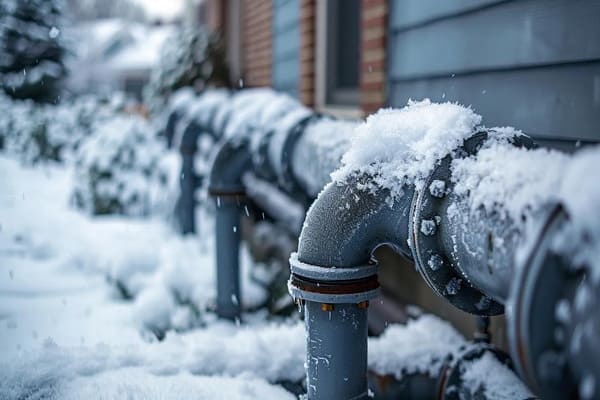
Winter inspection should cover the sauna structure, equipment, electrical systems, and surrounding access areas.
Before welcoming guests again:
- Inspect the building exterior.
- Check for water penetration or freeze damage.
- Inspect electrical equipment and connections.
- Confirm water supply and drainage.
- Check the heater and sauna stones.
- Verify the control panel and safety devices.
- Test heating performance according to the manufacturer's commissioning instructions.
- Confirm ventilation is operating correctly.
- Clear snow and ice from access routes.
- Complete the required safety checks.
A sauna should not return to operation until any suspected electrical, structural, or water-system damage has been assessed and corrected.
8. Commercial Outdoor Sauna Winter Maintenance Checklist
For operators managing multiple facilities, a written inspection checklist can help standardize winter maintenance.
The following table provides a practical starting point.
| Inspection Area | What to Check | Suggested Timing |
|---|---|---|
| Sauna heater | Heating performance and visible damage | Before winter and according to service schedule |
| Sauna stones | Cracked, compacted, or broken stones | Before winter and during routine maintenance |
| Electrical system | Cables, connections, sensors, and protection | Before winter; qualified inspection as required |
| Exterior timber | Cracks, water penetration, and finish condition | Before winter and after severe weather |
| Door and windows | Seals, alignment, and closing performance | Before winter |
| Water pipes | Insulation, exposed connections, and leaks | Before freezing temperatures |
| Drainage | Blockages and standing water | Regularly during winter |
| Roof | Water penetration, snow accumulation, and visible damage | Before winter and after severe weather |
| Access routes | Snow, ice, lighting, and slip hazards | Daily during winter operations |
| Restart procedure | Equipment and safety verification | Before reopening |
Inspection frequency should be adjusted to the local climate, facility usage, and equipment manufacturer's requirements.
Conclusion
Operating an outdoor sauna in winter requires more than maintaining a comfortable indoor temperature.
Commercial operators need to consider the complete installation, including the heater, electrical system, timber structure, insulation, water supply, drainage, roof, and surrounding access areas.
A structured winter maintenance plan can help reduce unexpected downtime, identify potential damage early, and maintain a consistent guest experience.
For hotels, resorts, spas, and glamping destinations, winter preparation should be part of the annual operating plan rather than an emergency response to the first freezing night.
Planning an Outdoor Commercial Sauna Project?
ROC Sauna-Solution supplies sauna heaters, control systems, and customized sauna rooms for distributors, installers, hotels, resorts, and commercial wellness projects.
Whether you are developing a new outdoor sauna facility or upgrading an existing installation, our team can discuss:
- Outdoor sauna room configurations.
- Heater capacity and equipment selection.
- Interior and exterior wood materials.
- Insulation and structural requirements.
- Control systems and electrical configurations.
- Custom sauna solutions for different climates and operating environments.
Planning a winter-ready outdoor sauna project?
Share your project location, room dimensions, preferred heater type, and intended operating schedule with our team.
We can help review the equipment and customization options for your project.
Explore Our Custom Sauna Solutions
Contact ROC Sauna-Solution for a Project Quote
Frequently Asked Questions
1. Can an outdoor sauna operate during freezing weather?
Yes, provided the sauna structure, heater, electrical system, and water installations are designed for the expected environmental conditions.
However, some heater models have specific minimum ambient temperature requirements. Always check the manufacturer's technical documentation before installation.
2. Do outdoor sauna heaters need special winter maintenance?
Not every heater requires the same winter maintenance procedure.
However, operators should inspect heating elements, stones, electrical connections, temperature sensors, and control systems before the winter season.
The manufacturer's maintenance instructions should always take priority.
3. How do you prevent outdoor sauna pipes from freezing?
Common measures include suitable pipe insulation, protected pipe enclosures, approved heat-tracing systems, and drainage arrangements.
The correct solution depends on the pipe location, expected minimum temperature, and installation design.
4. Does snow affect outdoor sauna structures?
Yes. Snow accumulation can add considerable weight to roofs and other exposed structures.
The roof must be designed according to the applicable local snow-load requirements. Structural concerns should be assessed by a qualified professional.
5. Should an outdoor sauna be shut down during winter?
Not necessarily.
Many commercial outdoor saunas operate throughout winter. However, facilities that close seasonally should follow an appropriate shutdown procedure covering water systems, electrical equipment, heating equipment, and exterior protection.
6. How often should commercial outdoor saunas be inspected?
A basic visual inspection should be part of routine facility management.
More detailed inspections should be scheduled before winter, after severe weather, and according to the equipment manufacturer's recommended service intervals.
References
- Harvia – The Heater Does Not Heat Up in Cold Conditions
- Harvia – Stacking Sauna Stones into a Professional Electric Heater
- Finnish Sauna Society – About the Hygiene of Sauna
- Electrical Safety First – Outdoor Electrical Safety
- US National Weather Service – Essential Tasks After Cold Weather
- USDA Forest Products Laboratory – Wood Handbook: Finishing Wood