
Commercial saunas are getting connected — Wi-Fi controllers, apps, remote management, energy monitoring — and with that comes a new question European buyers didn't have to ask a few years ago: what happens to the data these systems generate? The EU Data Act brings new rules on access to and use of data from connected products, and from September 2026 certain design requirements begin to apply. This article explains, in plain terms, how the EU Data Act may affect a smart sauna controller, and what hotels, spas, and commercial buyers should check when choosing a connected sauna system for the European market — so you can buy with confidence rather than run into surprises later.
The EU Data Act (Regulation (EU) 2023/2854) sets rules on who can access and use the data generated by connected products, and it applies to connected sauna equipment such as a smart sauna controller with Wi-Fi, apps, or cloud features. It does not ban connected saunas — it requires more transparency about what data a device generates, better access to that data for users, and, from 12 September 2026, the data-access design requirements of Article 3(1) for new connected products placed on the EU market. For a smart sauna controller, that means assessing users' ability to access device-generated data, the format that data is provided in, and the accompanying documentation. For commercial buyers, the practical takeaway is simple: when choosing a smart sauna controller for Europe, look beyond heating performance and check the supplier's documentation, data transparency, and long-term technical support. This article is general information, not legal advice — always confirm current obligations against the official regulation and, where needed, a qualified advisor.

Important: This article is general guidance for commercial buyers, not legal advice. The EU Data Act is detailed and evolving. Always verify current requirements against the official text on EUR-Lex and the European Commission, and consult a qualified professional for your specific situation.
What Is the EU Data Act?
Start with what the regulation actually is, because it's often confused with data-privacy law like the GDPR.
The EU Data Act (Regulation (EU) 2023/2854) is a European regulation that sets fair rules for accessing and using the data generated by connected products and related digital services. Its aims include giving users better access to and control over the data their connected devices generate, improving transparency between manufacturers and users, and supporting interoperability between systems. It is not the same as the GDPR — the GDPR governs personal data, while the Data Act focuses more broadly on data generated by connected products, including technical and operational data. For any company placing connected products on the EU market, it sets new expectations for how product data is handled and made accessible.
In short, the Data Act is about the data your connected devices produce — and who gets to see and use it. Its focus areas include:
- Better access to data generated by connected (IoT) products
- Giving users more control over the data their products generate
- More transparency between manufacturers, service providers, and users
- Improved interoperability between connected systems
For anyone supplying connected products into Europe, this creates new expectations around how data is collected, accessed, and shared — and that's why it reaches into a category as everyday as sauna equipment.
Why Does It Matter for Smart Sauna Equipment?
Next, the connection to saunas — because a traditional heater and a smart sauna system are very different things under this regulation.
A traditional sauna heater is a standalone electrical appliance and generally sits outside the scope of connected-product data rules. But a modern smart sauna controller with Wi-Fi, app control, remote temperature adjustment, energy monitoring, or cloud management is a connected product that generates and transmits data — which is exactly what the EU Data Act addresses. As commercial saunas increasingly adopt these features, buyers and suppliers in Europe need to consider how that data is handled. The more connected your sauna system is, the more relevant the regulation becomes.
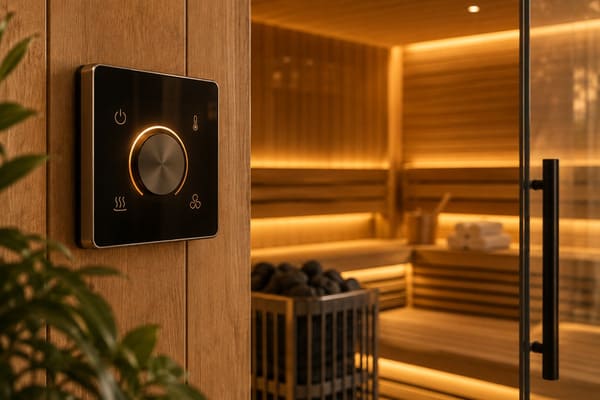
The shift is real: modern commercial sauna systems increasingly include Wi-Fi controllers, mobile apps, remote temperature control, energy monitoring, smart-building integration, and cloud-based management. A hotel might remotely monitor a sauna's operating status, temperature, usage schedules, energy consumption, and maintenance data. The moment a sauna controller generates and transmits that kind of information, it becomes a connected product — and how that data is handled becomes something both buyers and suppliers should think about.
How Could the EU Data Act Affect Smart Sauna Controllers?
Here's where it gets practical — three areas where the regulation touches a connected sauna system.
The EU Data Act could affect smart sauna controllers in three main ways: greater transparency about what data the device generates, in what format, and where it's stored; improved user access to the data generated by the connected product; and, from 12 September 2026, the data-access design requirements of Article 3(1) for new connected products placed on the EU market. For buyers, this translates into expecting clearer documentation and data transparency from suppliers. For manufacturers, it means considering data accessibility, data format, and user information during product design. None of this bans connected saunas — it raises the bar for how their data is documented and made available.
1. Greater transparency about generated data
Commercial customers may increasingly expect suppliers to clearly explain what data the device generates, how it's collected, where it's stored, and who can access it. A wellness operator buying a smart system may reasonably want to know whether the controller records operational information and how that can be accessed. Clear documentation becomes part of a professional supply. Specifically, the regulation points toward transparency about:
- What data the device generates and how it's collected
- Where the data is stored and who can access it
- What format the data is provided in (supporting data portability and interoperability)
- The accompanying user documentation explaining all of the above
2. User access to connected-product data
The regulation introduces rules around access to data generated by connected products. For a commercial buyer running multiple facilities, this can matter for reviewing usage patterns, monitoring energy efficiency, planning maintenance, or integrating saunas into a wider facility-management platform.
3. Product design and technical preparation
From 12 September 2026, new connected products placed on the EU market are expected to meet the data-access design requirements of Article 3(1). For suppliers, that means reviewing controller architecture, app functions, data-communication methods, data format, documentation, and support processes with data accessibility in mind. (Confirm the exact scope and dates against the official regulation — see references.)
What Should Buyers Check Before Purchasing a Smart Sauna System?
For a commercial buyer, this all comes down to a short set of practical questions.
Before buying a smart sauna controller for a European project, look beyond heating performance and check three things: whether the system genuinely supports the smart control you need (remote operation, app connection, multi-device and facility-level management); what technical information the supplier provides (manuals, controller specifications, installation and system documentation, and how device-generated data is accessed and formatted); and whether the system is suitable for long-term commercial operation (software support, spare parts, technical assistance, and future compatibility). A supplier who can answer these clearly is one prepared for the connected, documentation-focused direction the European market is heading in.
Use these as your checklist:
- Does it support the smart control you actually need? Remote operation, app connection, multiple-device management, and facility-level control.
- What technical information is available? Product manuals, installation instructions, controller specifications, clear system-operation documentation, and information on how device-generated data is accessed and provided.
- Is it built for the long term? Commercial projects run for years, so ask about software support, spare-parts availability, technical assistance, and future compatibility.
A supplier who answers these precisely — with real documentation rather than vague reassurance — is signalling that they understand where the European market is going.
How Suppliers Can Prepare for the European Market
The flip side is what a capable supplier should already be doing.
For suppliers, compliance is becoming part of overall product quality. A supplier prepared for the European market should provide clear technical documentation (product functions, controller operation, connectivity features, data access and format, and user instructions), combine reliable hardware and software (stable heating, dependable controllers, secure communication, and easy operation), and support commercial projects end to end (planning, equipment selection, technical consultation, and installation guidance). For buyers, choosing a supplier who already works this way is the simplest way to stay ahead of the connected-product expectations the EU Data Act reflects.
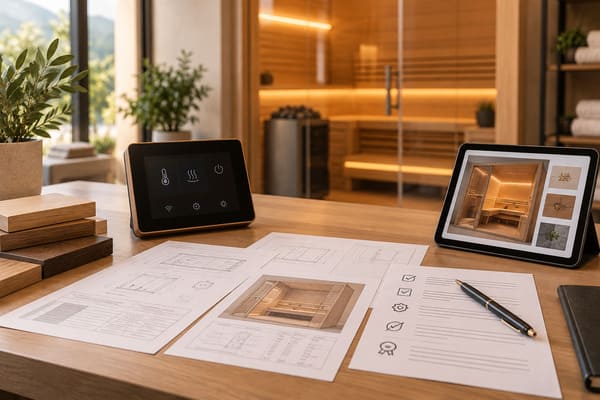
In practice, that means three things from a serious supplier: clear documentation, reliable hardware-plus-software integration, and real support for commercial projects — from planning and heater and controller selection through to installation guidance. The challenge is no longer only building a good heater; it's delivering a complete system that combines performance, connectivity, documentation, and long-term support.
How ROC Sauna-Solution Supports Buyers in Europe
For buyers navigating this, the right supplier makes compliance one less thing to worry about.
ROC Sauna-Solution is a HARVIA-authorised agent and OEM/ODM manufacturer with 12+ years' experience supplying commercial sauna equipment to hotels, resorts, spas, gyms, and wellness clubs, including the European market. We supply sauna heaters, control systems, and complete equipment backed by clear technical documentation and recognised certifications (CE, RoHS, REACH), and we support commercial projects from planning and specification through to installation guidance. For buyers considering connected or smart sauna systems for Europe, we can help you select equipment and provide the documentation and long-term support that the market increasingly expects — so you can focus on your project with confidence.
Because we control our own production and QC and support projects end to end, we can give buyers the documentation, specifications, and long-term support that a connected, compliance-aware European market calls for. Explore our sauna control systems, heaters, and full accessories range, or talk to us about your project.
Conclusion
The EU Data Act doesn't ban connected saunas — it raises the bar for how their data is documented and made accessible, and from 12 September 2026 the Article 3(1) design requirements begin to apply to new connected products on the EU market. For a commercial buyer, the practical response is straightforward: when choosing a smart sauna controller for Europe, look past heating performance and weigh data transparency, technical documentation, and long-term support just as seriously. Choose a supplier who can answer these questions clearly, and you turn a regulatory topic into a simple purchasing checklist — one that protects your project and keeps your facility ready for a more connected future. And as always with regulation, confirm the current requirements against the official text before you rely on them.
Planning a connected sauna project for the European market and want equipment backed by clear documentation, recognised certifications, and long-term support? Talk to ROC Sauna-Solution about heaters, control systems, and complete commercial sauna solutions. Start your enquiry here. You can also ask our AI assistant your smart sauna controller questions.
Frequently Asked Questions
Does the EU Data Act ban smart sauna controllers?
No. The EU Data Act does not prohibit connected sauna equipment or smart sauna controllers. Instead, it introduces requirements around the access, transparency, and use of data generated by connected products. In practice this means clearer documentation about what data a device generates, in what format, and better access to that data for users, rather than any ban on connected features. Connected saunas remain fully permitted — the regulation simply raises expectations for how their data is handled. As this is general guidance, confirm the current requirements against the official regulation for your specific situation.
Are traditional sauna heaters affected by the EU Data Act?
Generally, a standalone traditional sauna heater without internet connectivity, apps, or data-generating functions is less likely to fall under the connected-product data rules that the EU Data Act focuses on, since it doesn't generate or transmit the kind of data the regulation addresses. The picture changes once a heater is paired with a smart controller, app, or cloud system that produces and shares data. If you're unsure whether a particular system is in scope, check the product's connected features and confirm against the official regulation or a qualified advisor.
Should hotels consider data compliance when buying sauna equipment?
Yes. For hotels, resorts, and wellness facilities buying smart or connected sauna systems for the European market, it's sensible to evaluate more than heating capacity and design. Consider the controller's functions, the quality of the supplier's technical documentation, how product data is accessed and formatted, and the availability of long-term technical support. Treating these as part of your purchasing checklist helps ensure the system fits both your operational needs and the connected-product expectations the EU Data Act reflects. For specific obligations, confirm against the official text or seek professional advice.
What is the difference between the EU Data Act and the GDPR?
They are different regulations. The GDPR governs personal data and privacy, while the EU Data Act focuses more broadly on access to and use of data generated by connected products and related services — including technical and operational data, not just personal data. A smart sauna controller could potentially touch on both, depending on what data it generates and how. For a commercial buyer, the key point is that a connected sauna system may involve considerations under more than one regulation, so clear supplier documentation and, where needed, professional advice are valuable.
When does the EU Data Act start to apply to connected products?
The EU Data Act entered into force after its adoption, with its provisions applying from set dates under Article 50 — and the Article 3(1) data-access design requirements for new connected products placed on the EU market apply from 12 September 2026. Because exact scope and timing can be nuanced, buyers and suppliers should not rely on a single date in isolation. Always confirm the current applicable dates and obligations against the official regulation on EUR-Lex and the European Commission, and consult a qualified advisor for how they apply to your specific products and projects.
References
[^1]: European Commission — Data Act overview. https://digital-strategy.ec.europa.eu/en/policies/data-act [^2]: EUR-Lex — Regulation (EU) 2023/2854 (Data Act), Article 50 (application dates) & Article 3(1) (connected product design). https://eur-lex.europa.eu/eli/reg/2023/2854/oj [^3]: European Commission — Data Act explained (Q&A). https://digital-strategy.ec.europa.eu/en/policies/data-act [^4]: Wikipedia — Data Act (European Union). https://en.wikipedia.org/wiki/Data_Act [^5]: Wikipedia — Internet of things. https://en.wikipedia.org/wiki/Internet_of_things