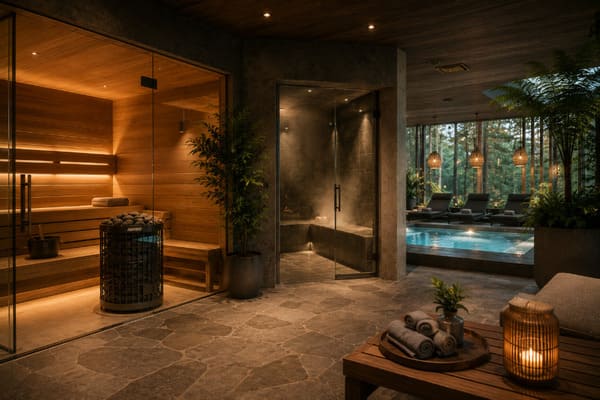
The heater only makes heat. The steam comes from the stones. Pick the wrong stones and they crack, fly, or burn out your heating element—then the warranty is void.[^1]
Choose certified sauna stones like olivine diabase, sized 5–10 cm, with split faces. Wash them, stack big at the bottom and small on top, leave air gaps, and never let stones press the heater. Replace cracked stones every 1–2 years.
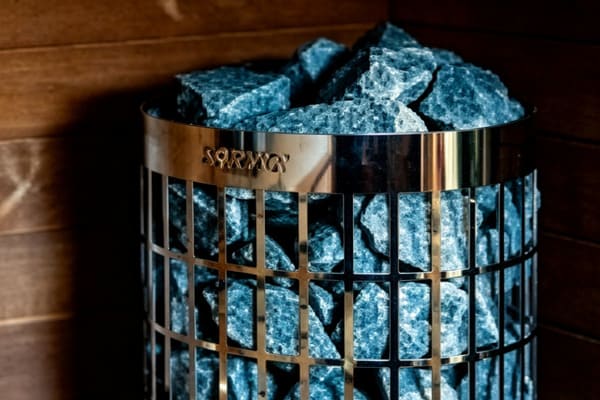
I said it in my commercial heater post: sauna stones are a planned consumable, not decoration. Many buyers get a fine heater, then throw in river rocks and never touch them for five years. Let me fix that here.
What Do Sauna Stones Actually Do?
Your heater makes heat, but the "feel" of a sauna comes from the stones. Skip this and you never understand why steam goes flat.
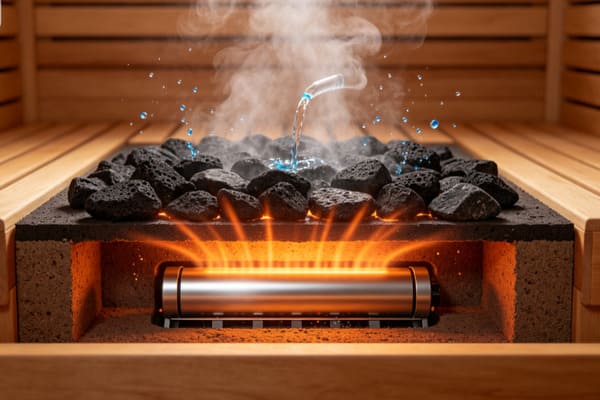
Sauna stones do three jobs: they store heat, they turn water into steam, and they shield the heating element from cold water shock.
The Three Core Jobs
- Heat storage: Stones hold the heater's energy, then release it fast when you pour water.
- Steam creation: Water hits a 200°C+ surface and flashes into löyly steam.
- Element protection: The stone bed blocks water from hitting the element directly, so it does not crack from sudden cooling.
So the stone requirements are simple: high thermal shock resistance, high density for heat, and no harmful fumes or dust at high heat. Everything else in this post follows from these three needs.
Which Sauna Stone Material Should You Choose?
Grab the wrong rock and you risk explosions, weak steam, or bad smells. Material choice sets the whole experience.
For most buyers, olivine diabase is the safe standard. Soapstone stores the most heat. Ceramic stones almost never break and suit low-maintenance commercial use.
Material Comparison
| Material | Shock Resistance | Heat Storage | Lifespan | Note |
|---|---|---|---|---|
| Olivine diabase | ★★★★★ | ★★★★☆ | Long | Finnish standard, best all-round |
| Olivine | ★★★★☆ | ★★★★☆ | Long | Same class, darker green |
| Gabbro/volcanic | ★★★★☆ | ★★★★☆ | Medium | Value pick; choose dense, no pores |
| Soapstone | ★★★★☆ | ★★★★★ | Long | Heat king, soft release, pricey |
| Ceramic stone | ★★★★★ | ★★★☆☆ | Very long | Man-made, rarely breaks |
Simple rule: normal budget picks olivine diabase; commercial low-maintenance picks ceramic; steam lovers pick soapstone. Decorative stones stay on top only, never carry the main load. Some tower or basket heaters need specific sizes, so check the manual first.
Which Stones Should You Never Use?
This is the accident zone. One bad rock can burst and hurt someone in your sauna.
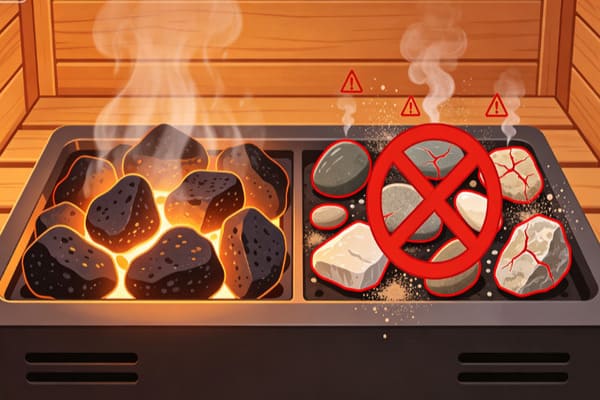
Never use granite, river or beach rocks, limestone, marble, or unknown landscape stones.[^2] They crack, release dust, or leak toxic gas at high heat.
Why They Fail
| Stone | Problem |
|---|---|
| Granite | Contains quartz; heat expansion cracks it and it flies out |
| River/beach rocks | Hidden moisture bursts; sea salt corrodes the element |
| Limestone/marble | Breaks down, gives off dust and smell |
| Pumice | Too low density, holds no heat |
| Landscape stone | May hide sulfides or dyes, toxic fumes |
One firm rule: only buy products clearly labeled "sauna stone" that passed heat testing. A 20 kg box costs far less than one heating element. Saving money on stones is the worst saving in the whole sauna.
How Do You Stack Sauna Stones Correctly?
Bad stacking is the top cause of dead heaters. Most people pack stones too tight and cook the element.
Wash first, put big stones at the bottom and small on top, stack loose with air gaps, never press the element, cover it fully, then dry-fire once for 30–60 minutes.
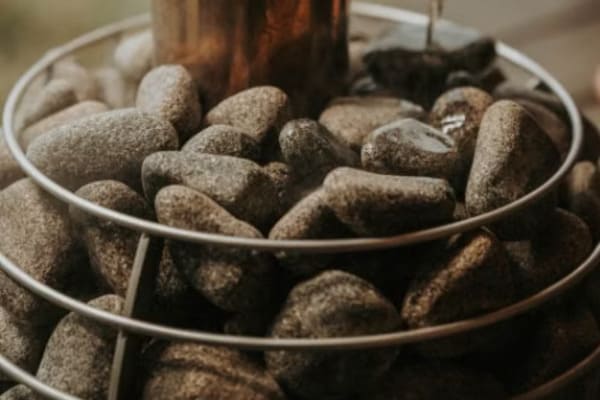
The Six Steps
- Wash: Rinse off stone dust, then dry before loading.
- Big down, small up: Base carries weight, top makes steam fast.
- Loose gaps: Air must flow between stones to carry heat away.
- No pressure on the element: Stones support each other, not the tube.
- Cover but do not overflow: Hide the element, but stay near the tray edge.
- Dry-fire once: Burn off moisture and dust with a window open.
The most common mistakes are packing too tight, pressing the element, and leaving it exposed to direct water. All three end the same way: a burnt element and a void warranty.
How Often Should You Replace Sauna Stones?
Stones have no moving parts, so they die quietly. Cracks build up until air stops flowing and the element overheats.
Home users should turn stones once a year and fully replace every 3–5 years. Commercial saunas need monthly checks and full replacement every 6–12 months.
Five Signs It Is Time
| Sign | What It Means |
|---|---|
| Steam turns hard and thin | Heat storage dropped |
| Slower heat-up | Bed packed too tight |
| Debris at the tray bottom | Stones are crumbling |
| Stones look round, pale, flaky | Thermal weathering |
| Burnt smell after pouring | Dust charring on the element |
When you turn stones, do three things: sift out cracked ones, wash the good ones and clear debris, then restack loose. Never rebuild the same packed shape. For commercial use, log it monthly with photos—those records win warranty claims.
Conclusion
Sauna stones take the cold shock so your heater does not.[^3] Pick certified stones, stack them loose, and replace them on time—or replace elements instead.
[^1]: "Changing sauna stones makes the sauna heat up faster", https://www.harvia.com/en-US/ideas-and-trends/sustainability-and-safety/changing-sauna-stones-makes-the-sauna-heat-up-faster-saving-energy-time/. This source explains how improper sauna stone selection can lead to physical damage to heating elements and void warranties. Evidence role: mechanism; source type: education. Supports: Improper sauna stone selection can cause damage to heating elements and void warranties.
[^2]: "River rock : r/Sauna", https://www.reddit.com/r/Sauna/comments/1ey5kmj/river_rock/. This source explains the risks associated with using unsuitable stones like granite, river rocks, and limestone in saunas. Evidence role: mechanism; source type: education. Supports: Using unsuitable stones like granite, river rocks, and limestone in saunas can lead to cracking, harmful fumes, or other risks.
[^3]: "Sauna Stones: 20 Types and Their Heat Retaining Properties", https://www.leisurequip.com/20-types-of-sauna-stones-and-their-unique-heat-retaining-properties/. This source explains the role of sauna stones in absorbing cold water shock to protect the heater. Evidence role: mechanism; source type: education. Supports: Sauna stones absorb cold water shock, preventing damage to the heater.